When the AMRCA front-intake .60 class needed an American engine to replace the scarce Nova Rossi, John Ellis turned to Nelson. The result — a lost-wax-cased, AAC-plated tether car .60 — now holds the Class 10B record at 159 mph.
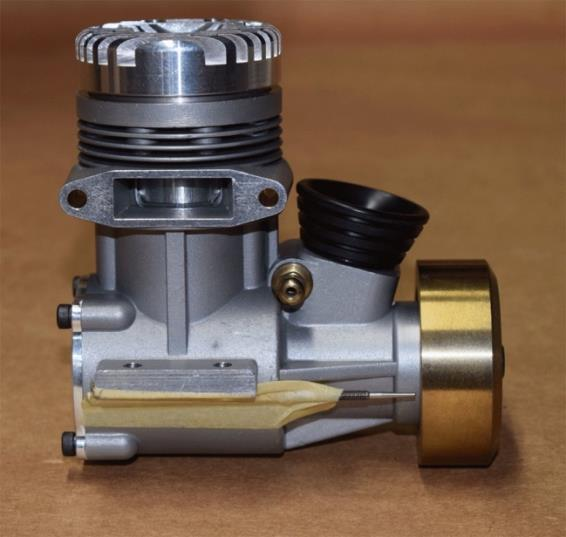
The AMRCA Class 10B consists of cars essentially the same as in Class 3. The difference is that Class 10B cars are limited to front-intake (crankshaft-induction) engines. The class was dominated by a Nova Rossi .60 modified by Bob Oge — an engine no longer in production, with only a limited number available and spare parts difficult if not impossible to find. Several front-intake .60 engines (.60 in³ / 10 cm³) were available, but virtually all were R/C sport engines that would require extreme modifications by an expert to be competitive in tether cars.
John Ellis wanted to shore up the class and, as with the Eagle, he wanted to do it with an American engine. He assured Nelson that 50 engines would be purchased and convinced them to design and build the engine discussed here.
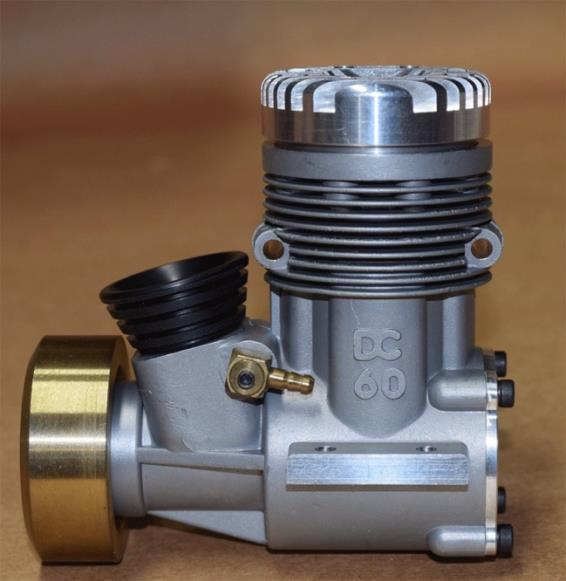
The crankcase is a lost-wax investment casting and the entire engine is well-built and sturdy. I'm not aware of any internal weaknesses. Of course it's possible to wear the engine out, but I haven't heard of any internal part failures causing "blown engines".
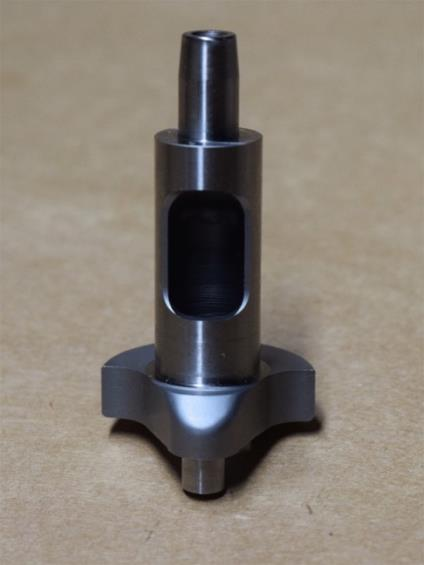
While notoriously hard to start due to flooding through the downdraft carb, the Nelson will start readily if the correct procedure is followed: the fuel shutoff must be left "off" until the car is ready to push. A few drops of methanol in the exhaust will assure immediate starting, and the gravity-fed fuel will begin to flow quickly.
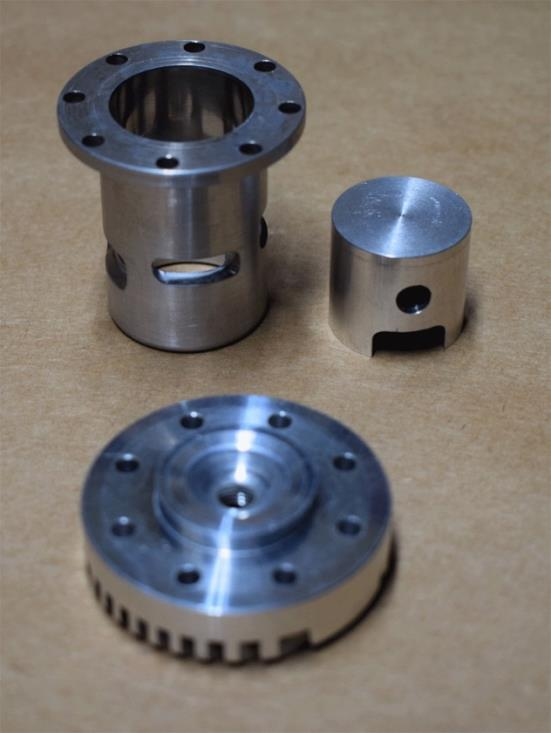
The piston and sleeve are aluminum / aluminum-chrome (AAC) plated, and the sleeve is a bit unusual in that the top flange is large enough to include holes for the head screws — so anyone paying attention should always get the sleeve in the correct position.
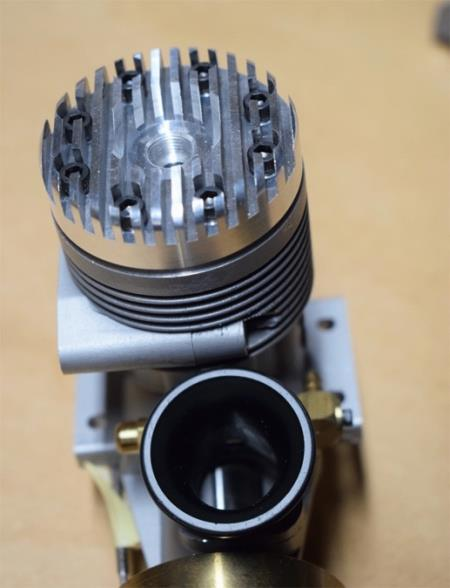
The AMRCA Class 10B record is currently held by Ron Hesskamp at 159.006 mph with a Nelson in a J78 Speedster — to my knowledge the fastest ever turned by a Nelson .60 in any class. He replaced the venturi with a smaller one and added peripheral porting, along with some internal modifications that remain confidential.
For more information about tether cars, visit the AMRCA website at AMRCA.com.